Plenary 1 - Regional Developments
Xi Yin
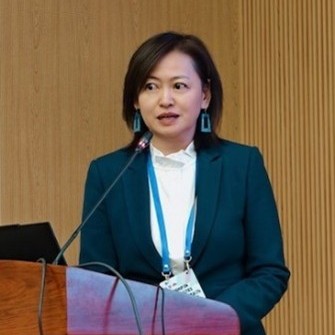 Xi Yin leads the Health Promotion and Policy Unit in the Division of Health Promotion, Disease Prevention and Control at the WHO Regional Office for the Western Pacific. She oversees regional efforts to reduce noncommunicable diseases and injuries, supporting countries to implement evidence-based policies addressing key risk factors, including alcohol use, tobacco use, and unhealthy diets. She provides strategic leadership on multisectoral action for NCD prevention, strengthening policy coherence, surveillance, and regulatory measure. Previously, Xi served as Regional Adviser for the Tobacco Free Initiative at WPRO and led tobacco control and NCD prevention work at the WHO China Office. Before joining WHO, she spent over a decade in tobacco control and public health advocacy in the Asia-Pacific region.
Xi Yin will speak about the regional developments on alcohol control in WPR.
Dr Carina Ferreira-Borges
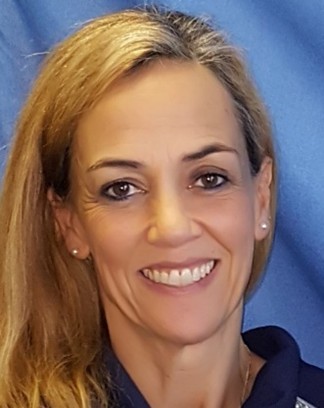 Dr Carina Ferreira-Borges is a public health specialist in noncommunicable diseases (NCDs) with a PhD in International Health. Since joining WHO in 2006, she has worked both in the African and European regions, and led work on substance use, alcohol policy, and prison health, strengthening WHO’s normative and technical support to countries. She served as Head of the WHO Office for the Prevention and Control of NCDs and NCD Director, providing strategic leadership to 53 Member States and coordinating the Regional Director’s Signature Initiative on health taxes.
Dr Carina Ferreira-Borges will speak about important regional alcohol policy developments in the European region.
Anja Busse
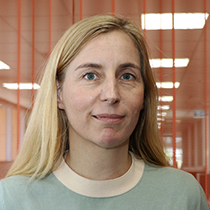 Anja Busse leads the World Health Organization’s Drugs, Alcohol and Addictive Behaviours (ADA) Team within the Department of Noncommunicable Diseases and Mental Health. She oversees WHO’s global efforts to reduce the health and social burden caused by alcohol, drugs and addictive behaviours through evidence‑based policies, normative guidance and technical support to Member States.
A central part of ADA’s work focuses on alcohol policy, including coordination of the Global Alcohol Action Plan 2022–2030 and advancement of SAFER, WHO’s flagship initiative to strengthen the implementation of the most cost‑effective alcohol policies worldwide. Her team works closely with regional and country offices to support governments in scaling up the SAFER policy package.
Anja is a psychologist and public health specialist with more than 20 years of experience in international health and drug policy. Before joining WHO, she spent two decades at the United Nations Office on Drugs and Crime (UNODC), where she coordinated the organization’s global programmes on drug use disorder treatment, including the joint UNODC–WHO Programme on Drug Dependence Treatment and Care. She led large-scale technical assistance efforts in more than 50 countries and contributed to key global standards and tools such as the UNODC–WHO International Standards for the Treatment of Drug Use Disorders (2020) and the UNODC–WHO SOS Initiative on opioid overdose response.
Plenary 2: Commercial Determinants of Inequity
Kristen Maynard
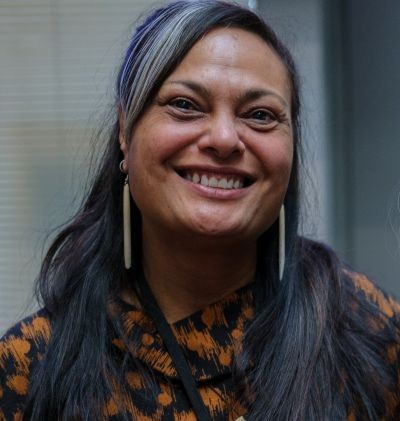 Kristen Maynard is proudly Māori, with tribal affiliations to Rongowhakaata, Ngāti Porou, Ngāti Kahungunu and Ruapani. She lives on her tribal lands in Aotearoa New Zealand, and works as a policy and research consultant. Kristen is a board member of Health Coalition Aotearoa (HCA), a member of HCA’s Alcohol Expert Advisory Group, and more recently a member of Whare Tukutuku (National Māori Addiction Centre) and the International Indigenous Drug Policy Alliance leadership groups. In 2025, Kristen was awarded a PhD in public policy. Her research articulates how Indigenous ideologies and practices – especially wairua (spirituality) – could transform public policy and service responses.
Kristen is speaking on: "Power, privilege and the ‘colonising taking’ – key policy considerations for addressing alcohol harm and inequity"
Natana Magalhães
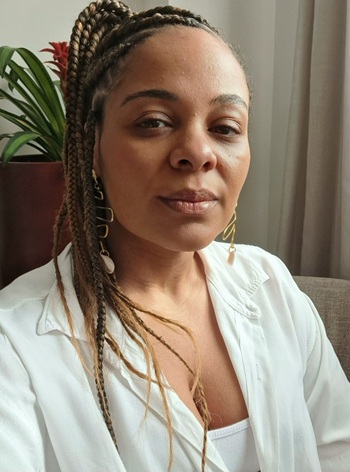 Natana Magalhães works with strategic communication for the promotion of women's health at Associação Alcoolismo Feminino (AF). She is an activist in the fight for the rights of the Black population, a historian, a graduate student in Psychology at the State University of Rio de Janeiro (UERJ), a master's student in Social Sciences at the Graduate Program of UERJ, and is pursuing a specialization in Human Rights and Health at the National School of Public Health (ENSP)/Fiocruz. Her research is on the relationships between racism, whiteness, human rights violations, and alcohol consumption among the Black population. She is part of PROCAD – Public Policies on Drugs, an inter-institutional initiative coordinated by University of São Paulo.
Natana Magalhães will speak about "Does Brazil force you to drink? Reflections on racism, human rights violations, and alcohol consumption by Black women."
Pia Mäkelä
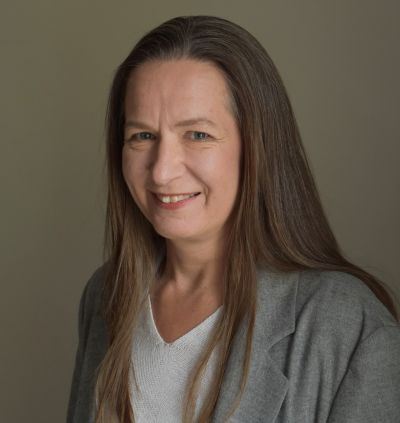 Pia Mäkelä is a Research Professor at the Finnish Institute for Health and Welfare (THL). With over 30 years of experience in alcohol epidemiology and policy research, she has played key roles in numerous national and international research projects, including leadership positions in EU-funded and Academy of Finland projects. Her expertise has directly contributed to alcohol policy development. Dr. Mäkelä actively engages in public discourse and policy advisory roles.
Pia is speaking on: "The success of alcohol policy in reducing socio economic inequities in health."
Pleanary 3: Introduction in plenary and Regional/Interest groups workshops
Dr Thaksaphon (Mek) THAMARANGSI
 Dr Thaksaphon Thamarangsi, a Thai national-commonly known by his nickname ‘Mek’, is a health policy and system scholar - with expertise in global health, policy process analysis, health promotion, NCD prevention and control, and health system strengthening. He is currently the Chief Representative and Director of the CMB Foundation Bangkok Office. Between 2015 to 2025, Dr. Mek served WHO Regional Office for South-East Asia in many roles including Director Non-Communicable Diseases and Environmental Health. Prior to 2015, Dr Thaksaphon had served Thailand in many roles including Director of the Center for Alcohol Studies (CAS), Manager of the Thai NCD Network, and Director of the International Health Policy Program (IHPP). Dr Thaksaphon became a medical doctor and Master of Public Health both from Mahidol University,Thailand, and later PhD on Health Policy from Massey University, New Zealand.
Dr Thaksaphon Thamarangsi will speak about strategic planning for the WHO Global alcohol action plan towards 2030: "WHO Global Alcohol Action Plan: WHOse Actions and WHOse Plan?" He will also join the feed back panel after the Regional/Interest group report back.
Plenary 4: Regulating marketing of alcohol
Ganief Hendricks
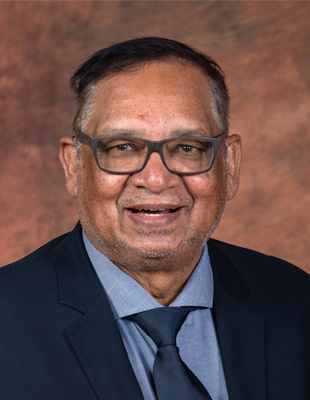 Mr Ganief Hendricks was appointed as Deputy Minister of Social Development from 3 July 2024. He is the leader of Al Jama-Ah political party that he founded in 2007, which is intended to uphold Muslim rights and interests in South Africa. Mr Hendricks has served as a Member of Parliament (MP) since May 2019. Prior to becoming an MP, he was a councillor in the City of Cape Town.
He was exposed to politics at a very young age and comes from a family of anti-apartheid activists. As an anti-apartheid activist, he has held numerous community positions.
In Parliament, he has served on the portfolio committees on Small Business Development; Joint Standing Committee on Intelligence; Labour and Employment; Health; Home Affairs; International Relations and Cooperation; Justice and Correctional Services, and Standing Committee on Public Accounts.
Mr Hendricks will speak about "Marketing and the Commercial Determinants of alcohol harm"
Daniela Correia
 Daniela Correia is a public health researcher specialising in alcohol control policies, their evaluation, monitoring, and impact assessment in Europe and globally. Her work combines advanced quantitative methods with policy-relevant questions, including alcohol taxation and pricing, marketing restrictions, health warning labels, and trends in alcohol consumption and alcohol-attributable harm. She is currently a PhD candidate at the University of Porto at the EPIUnit – Institute of Public Health and the Centre of Mathematics.
Daniela works as a consultant for the WHO Regional Office for Europe.
Daniela Correia is speaking on the the impact of the Lithuanian alcohol marketing ban on adolescent drinking.
Huong Le Nhu Dieu
 Huong Le Nhu Dieu is a Lecturer and Researcher in Marketing at Thuongmai University in Vietnam. Her research is dedicated to analyzing the impact of online marketing strategies employed by industries producing products harmful to health, including alcohol, tobacco and sugar-sweetened beverages. Currently, her work focuses on monitoring industry tactics on digital platforms, identifying regulatory gaps, and generating evidence to support stronger public health policies.
Huong Le Nhu Dieu's presentation explores "Evidence of Alibi Marketing through No- and Low-Alcohol Promotions on TikTok in Vietnam: Monitoring Industry Tactics and Regulatory Gaps."
Raúl Martín del Campo Sánchez
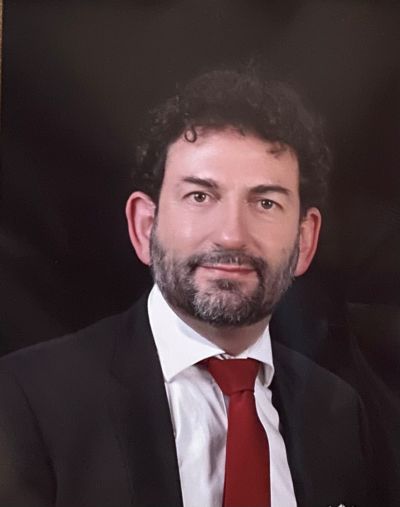 Raúl Martín del Campo Sánchez has extensive experience in alcohol and drug policy, prevention and treatment, including leading the National Center for Addictions in Mexico, developing surveillance systems such as the Mexican Observatory on Tobacco, Alcohol and Drugs, implementing local and nationwide drink-driving programs, and contributing to the design of national primary care models for early detection and brief interventions. He is a former Member of the United Nations International Narcotics Control Board (INCB), with experience in global drug policy and international cooperation and is currently serving as Regional Advisor on Alcohol and Drugs at the Pan American Health Organization (PAHO/WHO).
Raúl Martín del Campo Sánchez will speak about "Actions to regulate alcohol advertising: how to move forward on the agenda".
Kashish Aneja
 Kashish Aneja is a Delhi-based lawyer specializing in global health law, policy, and governance, and consults for and leads initiatives in Asia at the O’Neill Institute for National and Global Health Law at Georgetown University. His work focuses on the use of law as a tool to empower evidence-based public health practices and strengthening regulatory frameworks for NCD prevention, including specifically on alcohol marketing and emerging digital advertising challenges.
Kashish is speaking on: "Driven Alcohol Marketing Regulation: Addressing Algorithmic Targeting and Age-Verification Challenges in Digital Policy Frameworks"
Plenary 5: Managing Availability
Sally Casswell
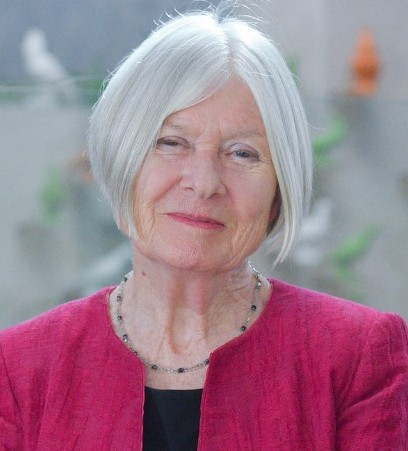 Sally Casswell holds a personal chair in social and health research and is Director of SHORE and Co-director of the SHORE & Whariki Research Centre, Massey University, Aotearoa New Zealand. Her research interests include the development and implementation of healthy public policy at the global level and she co-ordinates international collaborative research on alcohol policy (www.IACstudy.org). She was a founding member and is Chair of Board of the Global Alcohol Policy Alliance.
Professor Casswell will speak about "Availability indicators: laws and enforcement"
Stig Erik Sørheim
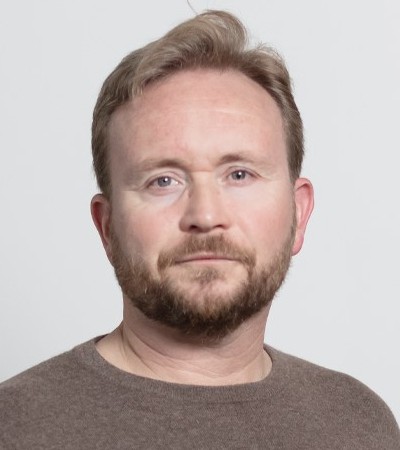 Stig Erik Sørheim is head of the international department of Actis – Norwegian Policy Network on Alcohol and Drugs. He is currently president of EURAD Asbl, a European policy network for prevention, treatment, rehabilitation and recovery, and a board member of Eurocare – European Alcohol Policy Alliance, NordAN – Nordic Alcohol and Drug Policy Network and EGHPN – European Gambling Harm Prevention Network. In his work he follows international alcohol, drug and gambling policy on the European and global level.
Stig Erik Sørheim is speaking on the hows and whys of the success of the Norwegian alcohol monopoly
Aadielah Maker Diedericks
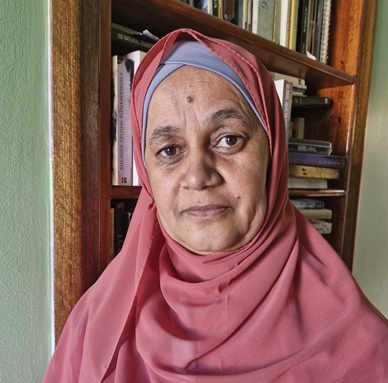 Aadielah Maker Diedericks is a public health activist with a Masters in Community Health from Sydney, Australia. Currently, she is the Secretary General of the Southern African Alcohol Policy Alliance (SAAPA) – a civil society network across 7 countries, lobbying for evidence-based alcohol policies. She has over 30 years of experience in the fields of public health, gender, and violence. As SAAPA SG, she served as a co-host of the 7th GAPC in Cape Town, South Africa in 2023. She has co-authored a paper on “Alcohol industry involvement in the delayed South Africa Draft Liquor Amendment Bill 2016” published in April 2025.
Aadielah Maker Diedericks will speak about monitoring liquor licenses and enlisting communities to reduce alcohol availability.
Wit Wichaidit
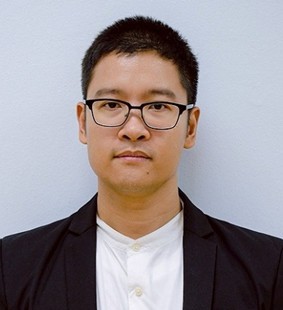 Wit Wichaidit is the Secretary General of the South East Asian Alcohol Policy Alliance (SEAAPA) and Associate Professor, Department of Epidemiology, Faculty of Medicine, Prince of Songkla University, Thailand.
He is a global health epidemiologist who currently focuses on mental health and substance use, health disparities in marginalized populations, and access to water, sanitation and hygiene (WASH). He currently serves as a researcher at the Centre for Alcohol Studies (CAS) and as the Secretary General of the South East Asia Alcohol Policy Alliance (SEAAPA).
Wit Wichaidit will speak about "Thailand's changing legislation: outcome, arguments and analysis"
Plenary 6: Report from regional workshops and commentary from global governance panel
Adam Karpati
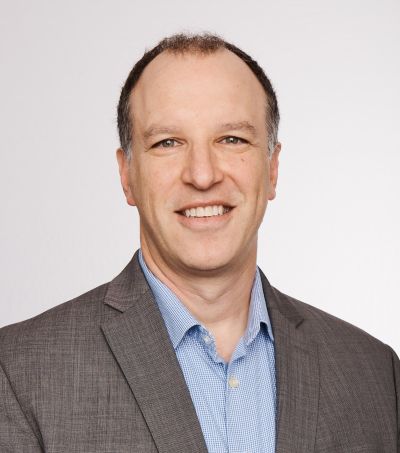 Adam Karpati, MD, MPH oversees programs to strengthen public health systems and address leading causes of morbidity and mortality. These include Vital Strategies’ work supporting governments on major public health policy initiatives, such as alcohol, and on strengthening the collection and use of data for decision-making.
Prior to joining Vital Strategies, Dr Karpati worked for 14 years at the New York City Department of Health and Mental Hygiene in a variety of capacities, including as Executive Deputy Commissioner for the Division of Mental Hygiene, responsible for programs, policy, and epidemiology around mental illness, substance use, and developmental disabilities.
Dr Karpati obtained his medical degree from McGill University’s Faculty of Medicine in Montreal and completed a residency in internal medicine at NYU Medical Center/Bellevue Hospital. He served in the Epidemic Intelligence Service at the CDC in Atlanta and completed CDC’s preventive medicine residency. He has a master’s of public health from the Harvard School of Public Health.
Anja Busse
See information above
Dr Thaksaphon (Mek) THAMARANGSI
See information above
Plenary 7: Alcohol Taxation
Son Dao
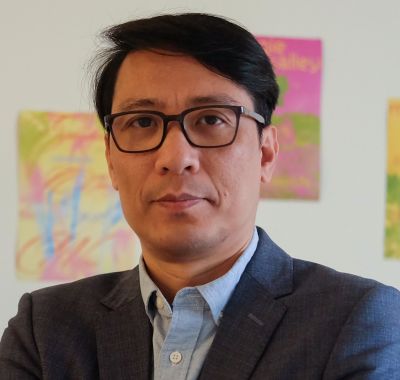 Son Dao is a health economist and Principal Technical Advisor at Vital Strategies, working across multiple countries. He brings more than 20 years of experience as a researcher and policy advocate in public health.
His work focuses on the economic analysis of health policies, particularly health taxes, health financing, marketing restrictions, industry interference, and political economy.
Over two decades in Vietnam, he helped shape key public health reforms. His contributions include developing systems to monitor industry interference, supporting legislation on tobacco control, alcohol control, and food safety, and contributing to multiple rounds of revisions to excise tax laws covering tobacco, alcohol, and sugary drinks.
Son Dao will talk about the recent taxation changes in Vietnam
Mpho Legote
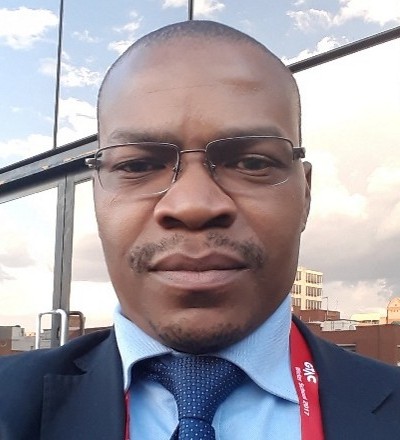 Mpho Legote is the Director: VAT, Excise & Sub-national Taxes, in the Tax Policy Unit of the National Treasury of South Africa. He joined the National Treasury and Tax Policy Unit in 2007. He is responsible for undertaking research and investigating the most recent international developments relating to Value-Added Tax (VAT), Excise duties, and Sub-national taxes, and providing advice on policy options and development of appropriate policy interventions in South Africa. On VAT, this includes maintaining the integrity of the system, and excise tax policies on alcoholic beverages, tobacco and related products, and tax on sugary beverages (Health Promotion Levy). He also provides advice on policy matters related to most appropriate tax instruments for municipalities. Previously, he was a Senior Economist in the Environmental and Fuel Tax Directorate and contributed to implementing Environmental Fiscal Reform policy in South Africa, including designing the carbon tax policy amongst other environmentally related taxes.
Mpho Legote will speak about "Alcohol Taxation Review in South Africa."
Jacqui Drope
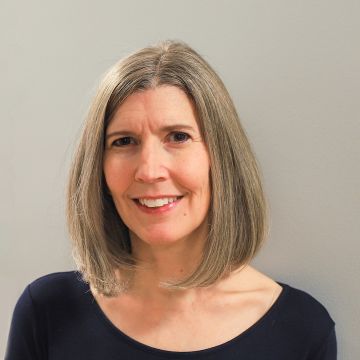 Jacqui Drope is Managing Director of the RESET Alcohol Policy Initiative at Vital Strategies, an effort aimed at reducing alcohol harms through policies that address affordability, availability, and marketing. She has over 25 years of public health experience working with partners on tobacco, alcohol and cancer control policies in over 30 countries. For 10 years, Jacqui led the global cancer prevention program at the American Cancer Society where her programs contributed to comprehensive tobacco control policies in low- and middle-income countries, with a specific focus on tobacco taxation and HPV vaccination. Jacqui has a unique mix of experience having worked in, and consulted for, research, advocacy and government health organizations including the WHO FCTC Secretariat, International Development Research Centre, UICC, Johns Hopkins School of Public Health, Cancer Research UK, Health Canada and the Senate of Canada.
Jacquie Drope will speak about "Hitting the RESET button: Progress on alcohol tax policy" in the Alcohol Tax session.
Plenary 8: Achieving the targets: the road to 2030
Leticia de Oliveira Cardoso
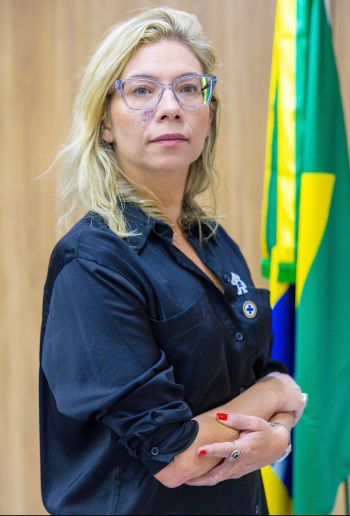 Dr Leticia de Oliveira Cardoso is a nutritionist who graduated from the Federal University of Rio de Janeiro (UFRJ), holds a Master’s degree in Epidemiology from the Institute of Social Medicine at the State University of Rio de Janeiro (IMS/UERJ), and a PhD in Public Health from the National School of Public Health at the Oswaldo Cruz Foundation (ENSP/Fiocruz). She completed postdoctoral training at Drexel University, USA.
She has been a career researcher at the Oswaldo Cruz Foundation (Fiocruz) since 2006, with experience in coordinating epidemiological research on chronic diseases and in the management of graduate programs in Epidemiology in Public Health. Currently the Director of the Department of Epidemiological Analysis and Surveillance of Noncommunicable Diseases at the Brazilian Ministry of Health.
She is responsible for important surveys that monitor non-communicable diseases, their risk and protective factors, and health problems, such as the National Health Survey and the School Health Survey, the National Mental Health Survey, and the largest survey on chronic diseases in the Americas in terms of number of editions, Vigitel.
Dr Leticia de Oliveira Cardoso will join the panel in the last plenary.
Orratai Waleewong
 Dr. Orratai Waleewong is a Strategy and Planning Analyst and ASEAN Health Focal Point at Thailand’s Ministry of Public Health. She has helped shape public health policy at national, regional, and global levels, engaging in forums such as the ASEAN Health Ministers’ Meetings, the WHO Regional Committee for South-East Asia, and the World Health Assembly.
A former researcher with the International Health Policy Program (IHPP), she advances evidence-based policymaking in health promotion, NCD prevention, and alcohol control. She is Deputy Director of the Centre for Alcohol Studies, guiding research to inform Thailand’s alcohol policy, and recently advised Parliament on revising the National Alcohol Control Act. She remains committed to building sustainable and equitable health and well-being in a rapidly changing world.
Dr Orratai Waleewong will join the panel in the last plenary.
Issah Ali
 Mr Issah Ali is a public health advocate and development practitioner with over two and half decades of experience in health and development activism across West Africa. His work focuses on alcohol and tobacco control, unhealthy commodities, youth and gender empowerment, drug control, and community development.
He is the Head of Secretariat of the West African Alcohol Policy Alliance (WAAPA) and the Executive Director of Vision for Alternative Development (VALD) Ghana and currently serves as Vice Chair of the Global Alcohol Policy Alliance and has previously served as Board Chair of the African Tobacco Control Alliance (ATCA). Under his leadership, VALD received a World Health Organization award for its contribution to tobacco control in Ghana.
Mr Issah Ali will join the panel in the last plenary.


